Darryl's List of Meds

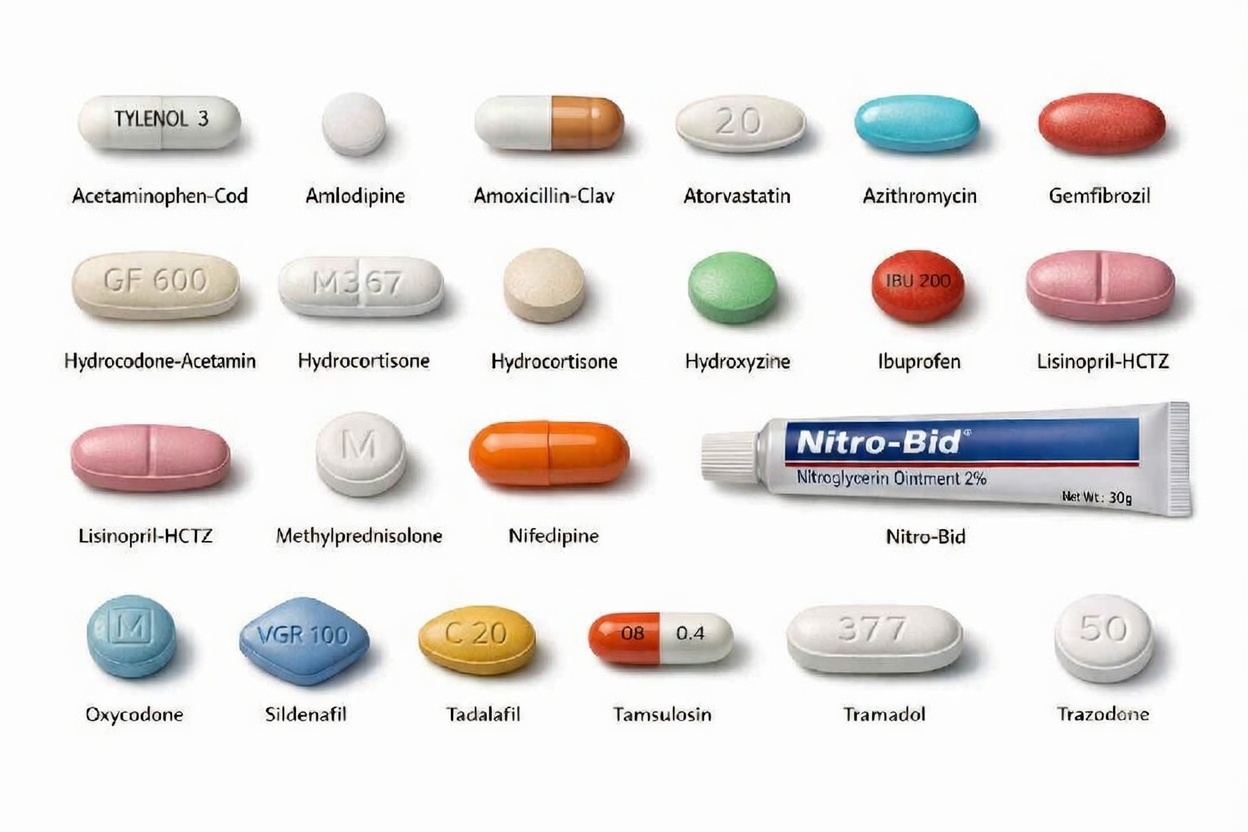
CLICK IMAGE TO GET ALL PILLS LIST
 

  • Gemfibrozil (fibrate for high triglycerides/cholesterol)
  • Lisinopril-HCTZ (ACE inhibitor + diuretic for high blood pressure)
  • Nifedipine (calcium channel blocker for high blood pressure/angina)
  • Tadalafil (PDE5 inhibitor, e.g., Cialis for erectile dysfunction or BPH symptoms)
  • Tamsulosin (alpha-blocker for BPH/enlarged prostate; taken every other day)

This is a more focused combo, often used for managing hypertension, high lipids, and prostate issues (BPH) with possible ED support.

Key Interactions in This Specific Combo

Overall, this group has no major life-threatening interactions like serotonin syndrome (from your earlier questions) or severe rhabdomyolysis (e.g., no statins here). However, there are some moderate risks mainly around additive blood pressure lowering (hypotension), which can cause dizziness, lightheadedness, fainting, or falls—especially when standing up quickly.

  • Tadalafil + Tamsulosin (moderate interaction): Both relax blood vessels and can drop blood pressure more than expected. Tamsulosin is an alpha-blocker, and PDE5 inhibitors like tadalafil amplify this. Studies show tadalafil has less hemodynamic impact with tamsulosin than with non-selective alpha-blockers (e.g., doxazosin), but caution is still advised. Since tamsulosin is every other day, that might reduce overlap risk, but start low if new and monitor.

  • Tadalafil + Nifedipine (moderate): Nifedipine (a calcium channel blocker) may slightly increase tadalafil levels/effects, and both lower BP. Clinical studies (including with similar drugs) show no major issues at standard doses, but additive hypotension is possible.

  • Tadalafil + Lisinopril-HCTZ (minor to moderate): Lisinopril (ACE inhibitor) + HCTZ can cause small additional BP drops with tadalafil. Large reviews and prescribing info note no clinically significant changes in most cases, but monitor for symptoms like dizziness.

  • Gemfibrozil with the others: No significant interactions reported with nifedipine, tadalafil, tamsulosin, or lisinopril-HCTZ. Gemfibrozil mainly interacts strongly with certain statins (not here) or repaglinide, but it's generally safe in this mix.

  • Other pairwise combos (e.g., nifedipine + lisinopril-HCTZ, tamsulosin + others): Usually fine or even beneficial for BP control; no major red flags.

Practical Tips

  • Watch for low blood pressure signs: Dizziness, lightheadedness, fatigue, blurred vision, or fainting (orthostatic hypotension). This is more likely if dehydrated, after standing, or with alcohol.
  • Timing: Taking tamsulosin every other day helps minimize overlap with tadalafil. Take tadalafil as needed or daily (per your dose), but discuss timing with your doctor.
  • Monitoring: Regular BP checks (home or clinic) are smart. Report any new symptoms promptly.
  • No serotonin risk here: Unlike your original list (which had tramadol/trazodone), this subset has zero serotonergic meds.

This this combo is commonly prescribed together for men with hypertension, high triglycerides, and BPH ± ED, and many tolerate it well. But interactions can vary by dose, age, kidney function, etc. Definitely review this exact list with your doctor or pharmacist—they can check your specific doses, run a full interaction tool, and adjust if needed (e.g., lower tadalafil dose or monitor closer).


   Raynaud's

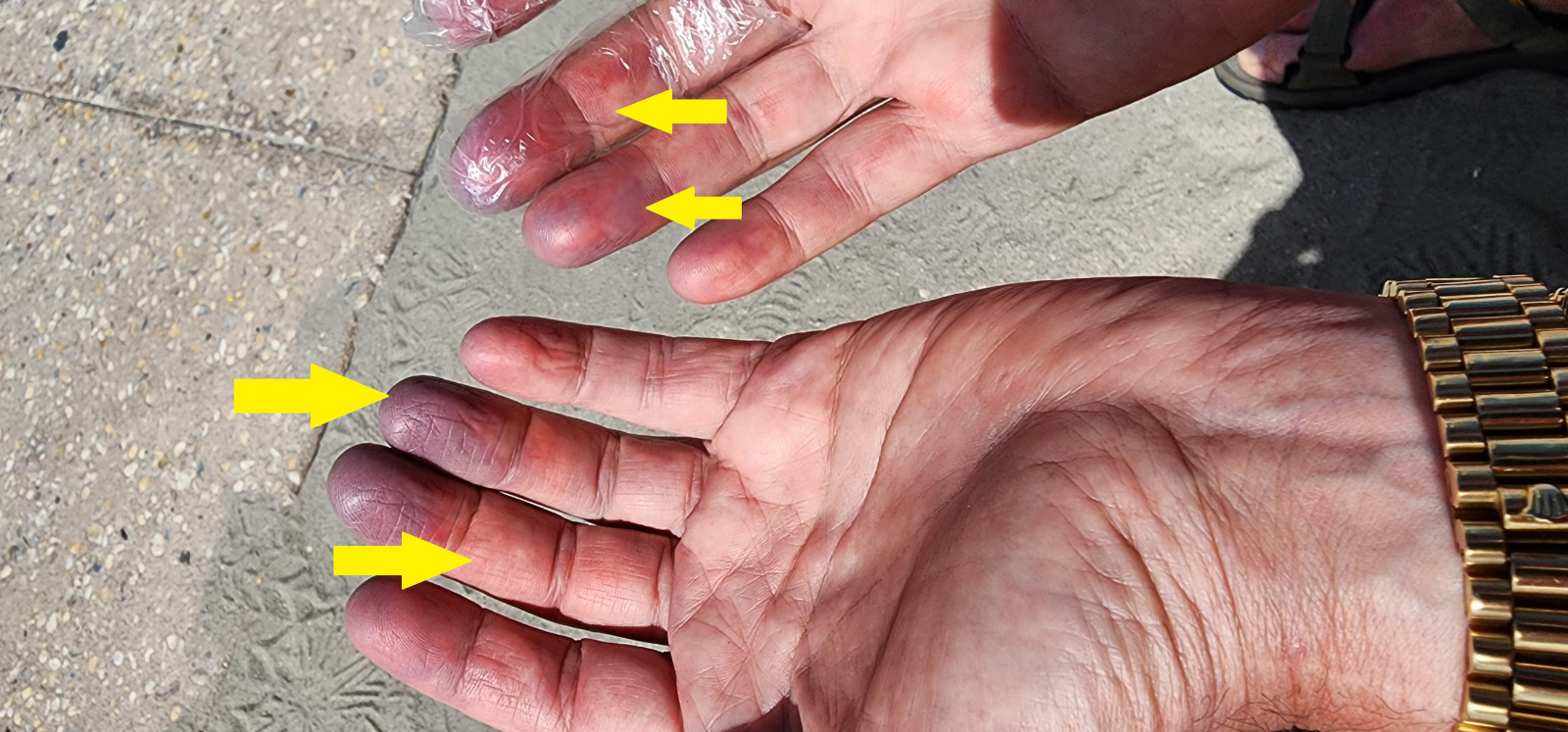
 also also called Raynaud's phenomenon or Raynaud's disease) is a condition where small blood vessels (usually in the fingers and toes, sometimes nose, ears, or lips) overreact to cold temperatures or emotional stress. This causes temporary spasms (vasospasm), reducing blood flow. The affected areas typically turn white (from lack of blood), then blue (from low oxygen), and finally red (as blood rushes back), often with numbness, tingling, pain, or burning.


There are two main types:

  • Primary Raynaud's (most common, ~90% of cases): Benign, no underlying disease. Usually starts younger (teens–30s), symmetric (both sides), mild, no tissue damage.
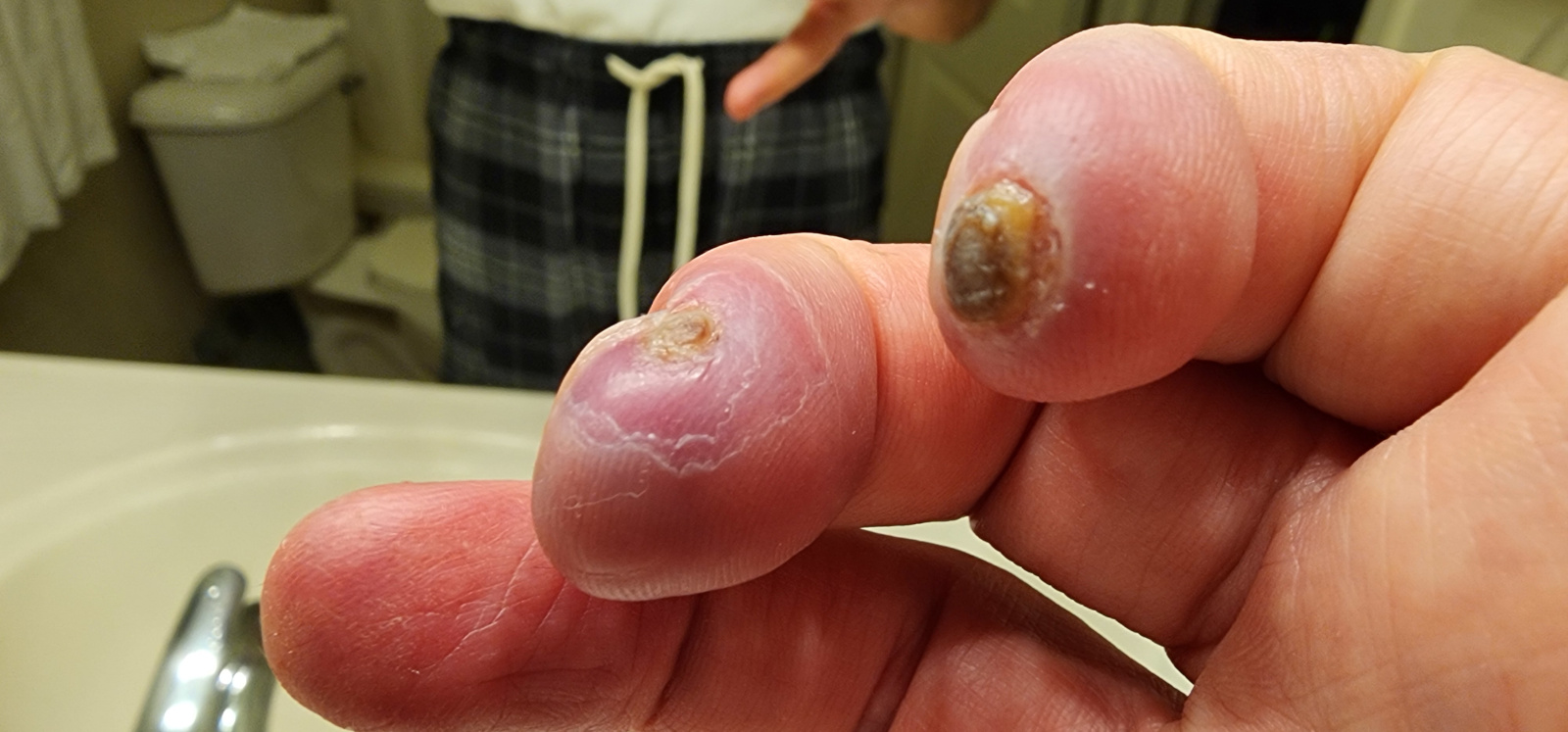
  • Secondary Raynaud's (less common but more serious): Linked to an autoimmune/connective tissue disease (e.g., systemic sclerosis/scleroderma, lupus/SLE, mixed connective tissue disease/MCTD), or other causes like medications, smoking, or vascular issues. Can be more severe, with skin ulcers, scarring, or organ involvement.

Your blood work helps differentiate these.

Your Results Interpretation

  • Erythrocyte Sedimentation Rate (ESR) = 19 mm/hr This measures inflammation indirectly (how quickly red blood cells settle in a tube). Normal ranges vary by age/gender (using common Westergren method):

    • Men under 50: <15 mm/hr
    • Men over 50: <20 mm/hr (some labs allow up to 20–30 mm/hr as normal/age-adjusted)

    An  An ESR of 19 is borderline/mildly elevated if you're over 50 (or normal/near-upper limit if younger). In Raynaud's evaluation:

    • Normal or near-normal ESR strongly supports primary Raynaud's (no significant inflammation/autoimmune process).
    • Elevated ESR often points to secondary causes (e.g., connective tissue diseases). Yours isn't markedly high (e.g., >30–50 would be more concerning), so it leans toward primary or very mild/no active inflammation. Many healthy older adults have similar values without issues.
  • Smith/RNP Antibody, IgG = Negative >8.0 This tests for anti-Sm (Smith) and/or anti-RNP (ribonucleoprotein) antibodies (often reported together as Sm/RNP). These are extractable nuclear antigens (part of ENA panel).

    • Negative (below a cutoff like 1.0 or 8.0, depending on lab units) means no detectable antibodies.
    • Positive/high levels are key for certain diseases: High anti-RNP is hallmark of mixed connective tissue disease (MCTD) (often with Raynaud's), and anti-Sm is specific for lupus (SLE). Anti-RNP can also appear in lupus or scleroderma.
    • Negative result is reassuring—it lowers suspicion for MCTD, SLE, or related autoimmune overlaps that commonly cause secondary Raynaud's with Raynaud's symptoms.

Overall Takeaway from These Results

  • Combined with negative Sm/RNP and near-normal/borderline ESR, this points more toward primary Raynaud's phenomenon (benign form) rather than secondary (autoimmune-driven).
  • No single test diagnoses Raynaud's—it's clinical (based on your history/symptoms of color changes triggered by cold/stress). These labs help rule out secondary causes.
  • If you have other symptoms (e.g., joint pain, rash, muscle weakness, swallowing issues, skin thickening, fatigue beyond what's expected), further tests like full ANA (antinuclear antibody), nailfold capillaroscopy (microscope exam of finger capillaries), or specific antibodies (e.g., anti-centromere, anti-Scl-70 for scleroderma) might be needed. But your results don't scream "secondary" at this point.


Management Tips (Especially Relevant to You)

Since you're in Detroit (cold winters!), these can help prevent attacks and fit with your BPH/hypertension meds (tamsulosin, nifedipine, etc.—nifedipine is actually sometimes used off-label for Raynaud's as a vasodilator):

  • Stay warm: Layer up, wear gloves/mittens/socks (heated ones are great), use hand warmers. Avoid sudden cold exposure.
  • Lifestyle: Quit smoking (if you do—it worsens vasospasm). Manage stress (relaxation techniques). Avoid caffeine/vibrating tools if they trigger.
  • Med adjustments: Your nifedipine (calcium channel blocker) can help relax vessels—discuss with doc if dose/timing helps Raynaud's. Avoid beta-blockers or decongestants if possible.
  • When to see a doctor: If attacks are frequent/severe, cause ulcers/sores, or you develop new symptoms (joint swelling, rashes, etc.), see rheumatology for full workup.

These results are encouraging—no strong red flags for serious autoimmune disease here. Track your symptoms and follow up with your doctor (primary or rheumatologist) for personalized interpretation—they know your full history/age/other labs.

  • Primary Raynaud's (likely yours): No muscle loss or body-wide muscle pain caused by it. Pain is localized to attack sites and temporary.
  • If you're noticing muscle pain/weakness in legs or elsewhere (beyond fingers/toes), it's probably unrelated to Raynaud's—revisit with your doctor for checks like CK (creatine kinase for muscle damage), vitamin D/electrolytes, or referral to rheumatology/PT if needed.
  • Track if any new symptoms overlap (e.g., joint swelling, rashes, profound fatigue)—that could prompt re-testing (e.g., full ANA if not done).

Your nifedipine helps both BP and Raynaud's vessel relaxation—keep using warmth/prevention tips to minimize attacks. If leg symptoms worsen or you get sores/ulcers from Raynaud's (rare in primary), see your doc promptly.

Yes, some of the medications you're taking (Gemfibrozil, Lisinopril-HCTZ, Nifedipine, Tadalafil, and Tamsulosin every other day) can contribute to increased stomach acid, heartburn, acid reflux (GERD symptoms), or related digestive issues like indigestion/upset stomach. These effects don't mean the drugs "create" more acid in everyone, but they can irritate the stomach lining, relax the lower esophageal sphincter (the muscle that keeps acid in the stomach), cause dyspepsia (indigestion), or worsen existing reflux.

Here's a breakdown based on reliable sources like Mayo Clinic, Drugs.com, MedlinePlus, and others:

  • Gemfibrozil (fibrate for cholesterol/triglycerides): Commonly causes gastrointestinal side effects, including acid or sour stomach, heartburn, belching, indigestion, stomach discomfort/upset, and stomach pain. These are among the most frequently reported issues and can feel like excess acid or reflux. Taking it with food often helps minimize this.
  • Tadalafil (PDE5 inhibitor, e.g., Cialis for ED or BPH): Frequently linked to heartburn, indigestion (dyspepsia), acid reflux, or GERD worsening. It relaxes smooth muscles (including the lower esophageal sphincter), which can allow stomach acid to back up into the esophagus. This affects up to 10-30% of users in some reports, often mild but noticeable. Symptoms may start after a dose and improve with antacids or timing adjustments.
  • Nifedipine (calcium channel blocker for blood pressure/angina): Can cause heartburn (very common, up to 11%), acid or sour stomach, and sometimes worsen or trigger gastroesophageal reflux. Calcium channel blockers like this relax smooth muscles, including the esophageal sphincter, potentially increasing acid reflux risk. Studies have noted cases where stopping nifedipine improved reflux symptoms.
  • Lisinopril-HCTZ (ACE inhibitor + diuretic for blood pressure): Less directly tied to acid production, but side effects can include acid or sour stomach, heartburn, indigestion, belching, and stomach discomfort/upset (listed as rare to less common). Some ACE inhibitors are noted in broader reviews as potentially worsening reflux in susceptible people, possibly via irritation or other mechanisms, though it's not as prominent as with the others.
  • Tamsulosin (alpha-blocker for BPH, every other day): Generally not a major cause of stomach acid or reflux. Side effects focus more on dizziness, nasal issues, back pain, or ejaculation problems. Gastrointestinal effects like nausea or diarrhea are possible but uncommon; heartburn/acid reflux isn't typically listed. Some user reports mention worsened reflux, but it's not a standard or common side effect.

Overall:

  • Most likely contributors in your list: Gemfibrozil, Tadalafil, and Nifedipine (via direct GI irritation or sphincter relaxation leading to reflux-like symptoms).
  • These issues are often dose-related, temporary, or manageable (e.g., take with food, avoid lying down right after, use over-the-counter antacids like Tums or Maalox, or try lifestyle tweaks like smaller meals and elevating your head at night).
  • If you're experiencing persistent heartburn, acid rising in your throat, chest pain (that isn't heart-related), or regurgitation, talk to your doctor or pharmacist. They can check if it's med-related, adjust doses, switch meds (e.g., to alternatives with fewer GI effects), or add something like a PPI (e.g., omeprazole) for acid suppression. Don't stop any meds on your own, especially blood pressure or cholesterol ones.

If you describe your specific symptoms (e.g., burning in chest, sour taste, timing after doses), I can help narrow it down more!

Here are the key interactions between Losartan Potassium (an ARB used for high blood pressure, kidney protection in diabetes, etc.) and your current medications: Gemfibrozil, Lisinopril-HCTZ, Tadalafil, and Tamsulosin (taken every other day). This is based on standard drug interaction data from reliable sources like Drugs.com, Mayo Clinic, and clinical guidelines.

Losartan is generally well-tolerated, but interactions can increase risks like low blood pressure (hypotension), high potassium (hyperkalemia), or kidney issues—especially relevant with your hypertension and prostate management.

Medication Interaction Level Key Details & Risks Recommendations & Monitoring
Gemfibrozil Minor/None significant Gemfibrozil may slightly decrease losartan's metabolism (via CYP enzymes or transporters), potentially increasing losartan levels mildly. No major clinical issues reported—no reports of severe effects like rhabdomyolysis (unlike with statins). Generally safe together. No routine changes needed, but monitor for any unusual fatigue or muscle symptoms (rare).
Lisinopril-HCTZ Major (Avoid combination if possible) This is dual RAAS blockade (ACE inhibitor + ARB). Increases risks of: - Severe low blood pressure (hypotension, dizziness, fainting). - High potassium (hyperkalemia). - Worsening kidney function or acute kidney injury. Trials (e.g., ONTARGET, VA NEPHRON-D) show no added benefit for most patients and higher adverse events—often stopped early for safety. HCTZ adds diuretic effects that can worsen dehydration/electrolyte issues. Generally not recommended together. If considering losartan (e.g., to replace lisinopril due to side effects like cough), your doctor would likely stop lisinopril first. Monitor BP, potassium, and kidney function (creatinine) closely if ever combined.
Tadalafil Minor Both lower blood pressure (losartan via vessel relaxation; tadalafil via PDE5 inhibition). Additive mild hypotension possible, leading to dizziness or lightheadedness—especially when standing. No severe or life-threatening interaction (unlike with nitrates). Some studies even suggest losartan may support erectile function in certain cases. Usually safe at standard doses. Watch for dizziness (orthostatic hypotension). Take tadalafil as prescribed (daily or as-needed); rise slowly from sitting/lying. Your every-other-day tamsulosin timing may help minimize overlap effects.
Tamsulosin (every other day) Minor/No direct interaction No significant pharmacokinetic interaction. Both can relax blood vessels (tamsulosin as alpha-blocker; losartan as ARB), so slight additive BP-lowering possible (dizziness risk). Some sources note potential for first-dose hypotension with alpha-blockers + ARBs in volume-depleted patients, but rare. Safe in most cases. Monitor for lightheadedness, especially when starting or changing doses. Your every-other-day schedule reduces daily overlap.

Overall Summary for Your Combo

  • The biggest concern is losartan + Lisinopril-HCTZ—this dual RAAS blockade is usually avoided due to proven risks without extra benefits.
  • The others (gemfibrozil, tadalafil, tamsulosin) are low-risk—mostly additive mild BP effects, which your current nifedipine already contributes to (from earlier chats).
  • No serotonin or major muscle-related interactions here.
  • Practical tips: Home BP monitoring (watch for readings <110/60 or symptoms like dizziness/fatigue), regular labs (potassium, creatinine, electrolytes), and report any new weakness, swelling, or falls.


Claim ID Claim Type Member Name Paid Date Provider Name Claim Status

Total Billed Amount

Total Paid
24089E0134610 Professional DATE, DARRYL R 4/4/2024 JADDOU, NEIL D PAID $150.00 $78.66
24285E0087649 Professional DATE, DARRYL R 10/17/2024 JADDOU, NEIL D PAID $240.00 $124.41
25269Z0049954 Professional DATE, DARRYL R 9/30/2025 JADDOU, NEIL D PAID $375.00 $122.76
25275Z0070790 Professional DATE, DARRYL R 10/7/2025 JADDOU, NEIL D PAID $375.00 $122.76
25323Z0010457 Professional DATE, DARRYL R 11/24/2025 JADDOU, NEIL D PAID $250.00 $98.23
25325Z0099333 Professional DATE, DARRYL R 11/25/2025 TOOLEY, TREVOR R PAID $336.00 $71.78
25328Z0047203 Professional DATE, DARRYL R 11/26/2025 JADDOU, NEIL D PAID $350.00 $90.80
25336Z0059982 Professional DATE, DARRYL R 12/4/2025 JADDOU, NEIL D PAID $200.00 $88.64
25340Z0044481 Professional DATE, DARRYL R 12/9/2025 JADDOU, NEIL D PAID $240.00 $124.41
25342Z0010799 Institutional DATE, DARRYL R 12/11/2025 COREWELL HEALTH WILLIAM BEAUMONT UN PAID $5,686.01 $595.84
25345Z0059626 Professional DATE, DARRYL R 12/15/2025 FRANCOIS, HOWARD PAID $80.00 $10.66
25343Z0092901 Professional DATE, DARRYL R 12/15/2025 HUSAIN, SYED A PAID $285.00 $107.57
25345Z0081226 Professional DATE, DARRYL R 12/15/2025 SHANLEY, CHARLES J PAID $475.00 $23.86
25347Z0035919 Professional DATE, DARRYL R 12/18/2025 PETTENGILL, PATRICK T PAID $276.00 $77.24
25347Z0064941 Professional DATE, DARRYL R 12/18/2025 TEHRANISA, JASON S PAID $1,654.00 $77.24
25351Z0022817 Institutional DATE, DARRYL R 12/22/2025 UNIVERSITY OF MICHIGAN PAID $5,545.00 $341.17
25354Z0048583 Professional DATE, DARRYL R 12/26/2025 JADDOU, NEIL D PAID $150.00 $78.28
26009Z0063031 Professional DATE, DARRYL R 1/13/2026 JADDOU, NEIL D PAID $175.00 $110.16
26024Z0061932 Professional DATE, DARRYL R 1/29/2026 JADDOU, NEIL D PAID $150.00 $78.28
26051Z0058635 Professional DATE, DARRYL R   HUSAIN, SYED A PAY $185.00 $82.43
TOTALS $17,177.01 $2,505.18


Pill and info Dosage size of each pill
Acetaminophen-cod #3 Tablet
Amlodipine Besylate 10 Mg Tab
Amoxicillin-clav 875-125mg Tab
Atorvastatin 10 Mg Tablet
Azithromycin 250 Mg Tablet
Gemfibrozil 600 Mg Tablet
Hydrocodone-acetamin 5-325 Mg
Hydrocortisone 2.5% Cream
Hydroxyzine Hcl 50 Mg Tablet
Ibuprofen 600 Mg Tablet
Lisinopril-hctz 20-12.5 Mg Tab
Losartan Potassium 25 Mg Tab
Methylprednisolone 4 Mg Dosepk
Nitro-bid 2% Ointment
Oxycodone Hcl (Ir) 5 Mg Tablet
Sildenafil 20 Mg Tablet
Sildenafil 50 Mg Tablet
Tadalafil 5 Mg Tablet
Tamsulosin Hcl 0.4 Mg Capsule
Tramadol Hcl 50 Mg Tablet
Trazodone 50 Mg Tablet